Before my students can truly listen, wonder, and learn, they need to feel safe, seen, and deeply connected. Yet, some school days move at such a whirlwind pace that I have to remind myself to just pause, take a breath, and let a good story slow the room down.
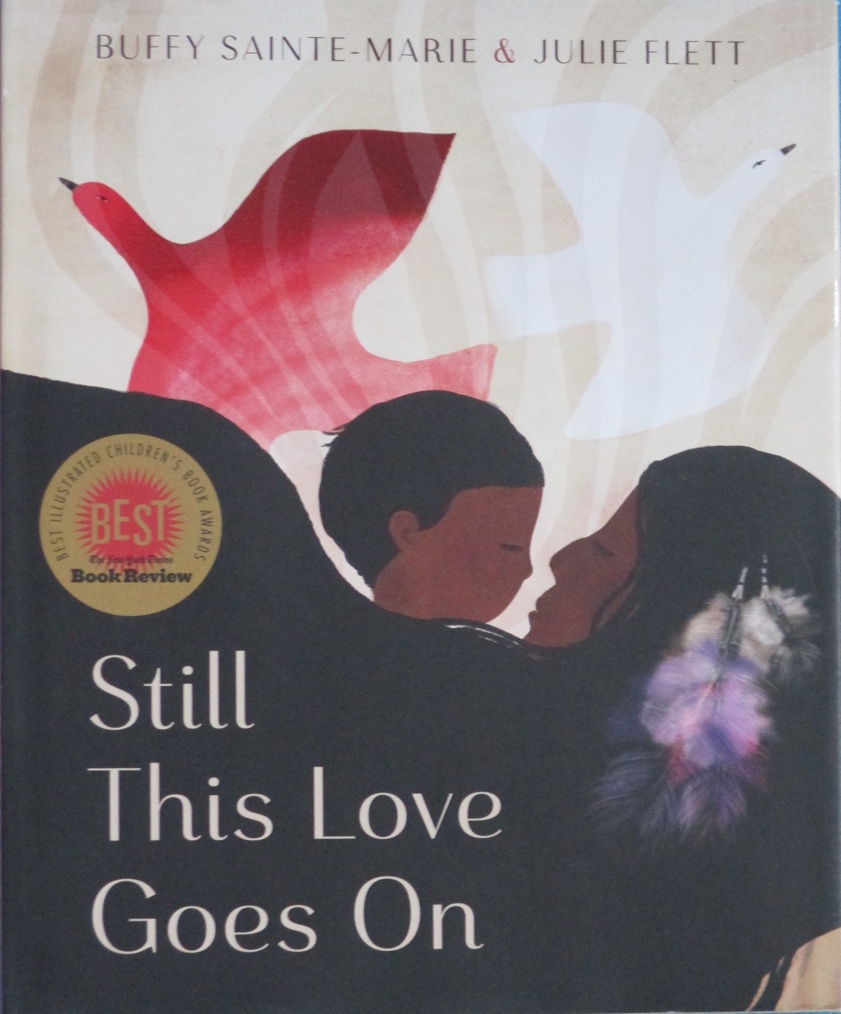
That’s why I was so thrilled to add Still This Love Goes On, written by Buffy Sainte-Marie and illustrated by Julie Flett, to my K–2 mentor text shelf. Based on Sainte-Marie’s song of the same name, this New York Times Best Illustrated Children’s Book feels like a warm hug and a gentle invitation into both the natural world and Cree heritage.
Every time I open it with my kids, Julie Flett’s soft pastel and colored pencil illustrations immediately draw them in. The pages are layered with so much warmth and texture, carrying our youngest learners through crisp winter snow, swirling fog, moonlit nights, and vibrant summer meadows. More than anything, it wraps K–2 readers in a comforting truth: just as the seasons turn and return, the love we share with our families, our communities, and the Earth simply goes on and on.
If you’re looking for a way to bring a little calm and connection to your classroom, here is how I’ve been using this luminous book to spark curiosity, meaningful conversation, and hands-on wonder with my students.
Why It Belongs in a K–2 Classroom
- A Feast for the Senses: Young writers and thinkers learn best when we stir their senses. This text invites children to step right into a thriving Indigenous community—imagining the sweet scent of burning sweetgrass, hearing the heartbeat of drums and jingle dancers, and seeing painted ponies.
- The “Connective Glue” of Story: Themes of family, remembrance, and caring for the Earth give our earliest learners a safe, joyful way to share their own stories and build trust with one another.
- Visual Wonder: The interplay of deep, quiet shadows and bursts of bright color invites children to slow down and “read” the illustrations long before we even turn to the text.
Before Reading: Wondering About the Cover
- Getting Started: Look closely at the front cover—what do you notice about the people and the birds? Flip to the back cover: why do you think those figures are singing?
- For Quiet Listeners: Who do you think the woman and child are? How do you think they are feeling in this moment?
- Going a Little Deeper: Notice the bright colors glowing against the dark background, and the pink and purple feather in the woman’s hair. What are some small ways we can show our love for the Earth?
During Reading: Noticing the Seasons
- Getting Started: What animals do you spy as the seasons change? What are the people doing in the snow and the sunshine?
- For Quiet Listeners: Who do you think left those “little tracks” in the snow? Where did the geese go?
- Going a Little Deeper: Why do you think the story begins in winter? How does the illustrator show that “morning comes on shivering wings”? What do you imagine a “pow wow town” looks and sounds like?
- The Heart of the Story: Every time we hear the refrain, “still this love goes on and on,” pause and ask: What does that mean to you? (Prepare yourself – K–2 students will give you the most poetic answers!)
After Reading: Reflecting & Connecting
- Getting Started: Which illustration was your favorite, and why? How do you show love to your family and friends?
- For Quiet Listeners: What did we learn about the girl’s culture from the words and pictures? What is something you hope or dream for?
- Going a Little Deeper: Look closely at the birds throughout the book—how does Julie Flett use them to tell the story? On the page with the purple background near the end, what do you think the girl is dreaming about?
Hands-On Invitations for Little Makers
To keep the spirit of curiosity and an “imagination mindset” alive after the book closes, try one of these playful, low-prep extensions:
- Sensory “Love Letters” to a Season: Have students paint or draw their favorite season, then write (or dictate to you!) a short love letter to it—encouraging them to use describing words for what they see, hear, and smell.
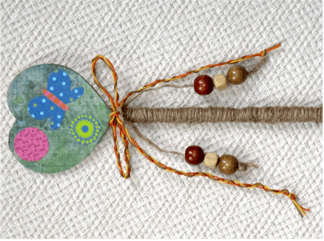
- Natural Heart Wands: Take your class outside for a mindful walk to gather fallen twigs, leaves, and tall grasses. Bring them back to your classroom “wonder studio” to wrap and tie them into natural heart wands celebrating how love goes on. (For a wonderful fine-motor challenge, teach them how to braid using long grass to weave right into their wands!)
- A Companion Story: Pair this read-aloud with Nipakoseyimon: I Hope by Monique Gray Smith. Invite your students to notice how the illustrations and messages of hope echo one another across both stories.
Deepening Our Cultural Appreciation
Taking a moment to share the cultural roots of the story helps young children honor the Cree heritage woven into every page:
- The Gift of Sweetgrass: In many Indigenous traditions, sweetgrass is a sacred plant used for prayer and blessing. Often, sage is burned first to clear away heavy or negative energy, and sweetgrass is burned next to welcome positive, healing energy in. (You can view traditional sweetgrass braids here if you’d like to show your students what they look like).
- Listen to the Song: Play Buffy Sainte-Marie singing “Still This Love Goes On” softly in the background while students sketch, paint, or build their heart wands.
- Hear the Heartbeat: Share a brief clip of Cree community drumming during morning meeting so children can feel the steady, grounding rhythm mentioned in the book.
How do you use picture books to help your students slow down and connect with nature or one another? I’d love to hear your favorite titles in the comments!

